
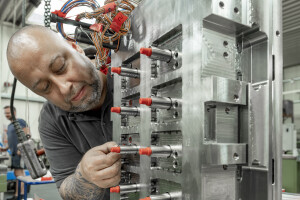
Injection moulding
High-performance plastics injection moulding
Processing high-performance engineering plastics for complex precision products is the injection moulding equivalent of the Champions League.
PPS: the brass substitute for drinking water
PPS (polyphenylene sulphide) is increasingly being used as a substitute for brass in drinking water applications such as taps and boiler components, due to a combination of regulatory requirements, performance and cost benefits.
Regulations such as the EU Drinking Water Directive (EU-DWD) have imposed strict restrictions on the use of lead in brass. However, lead-free (low-lead) brass is expensive and difficult to machine, which is why high-performance plastics such as PPS or PA12 are increasingly being used as an alternative.
De Beer Plastics is the leading expert in the development and manufacture of innovative water-carrying components for taps made from PPS. Using complex mould designs and high precision, we deliver high-quality solutions for renowned European tap manufacturers.
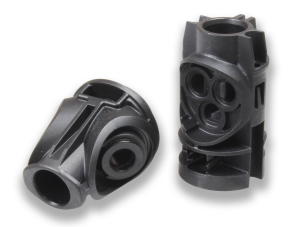
Specialist in PA4.6
De Beer Plastics is one of the largest processors of PA4.6 (Stanyl) in Europe. This high-performance polyamide combines excellent rigidity at high temperatures with optimum sliding and wear properties. Types reinforced with aramid fibres or PTFE give this material even more specialised properties.
For customers in the automotive industry, this material is used to manufacture precision components for bearings and other moving parts. These components are subject to extremely strict tolerance requirements. As this material has a relatively high shrinkage rate, this presents a difficult challenge that demands a great deal of our knowledge and experience.
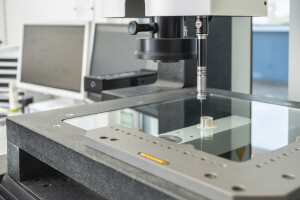
Quality control and measurement technology
To measure is to know: to manufacture precision parts in series from high-performance plastics, we adhere to high quality standards. A key aspect of this is the ability to measure complex products to within a thousandth of a millimetre. To this end, we have a range of measuring machines at our disposal, ranging from optical and tactile measuring machines to advanced 3D scanners for products with surfaces that are difficult to measure.
Afhankelijk van de toepassing hanteren we verschillende protocollen en intervallen voor kwaliteitsbewaking. Hiervoor kunnen wij pasmallen bouwen of werken we volgens systemen als SPC of CP / CPk.
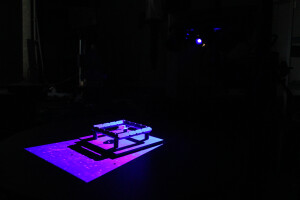
Specific spraying techniques

Are you looking for a reliable and competent partner to manufacture your products?
In-house mould making and R&D for co-creation
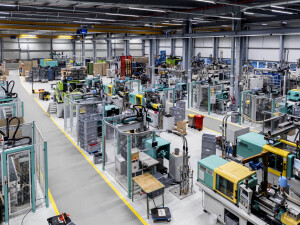
Ample capacity across more than 100 machines in three factories
A proven track record in challenging projects

Moulding challenges into Reality
