
Soft PVC injection moulding
Soft PVC injection moulding
Soft PVC (polyvinyl chloride) is a material with a long history and exceptional, versatile properties.
Soft PVC: flexible, yet extremely strong
Are you looking for an affordable material with good chemical resistance and high wear resistance? If so, soft PVC could be an excellent choice for your project. This flexible material combines softness with remarkable mechanical strength, even under repeated stress or bending.
PVC also has excellent insulating properties and is flame-retardant, making it a popular material in the electronics industry. Furthermore, it offers excellent resistance to oils, greases and many chemicals, which significantly extends the service life of components.
Soft PVC design products
De Beer Plastics uses soft PVC to create innovative, high-quality design products. With a stunning range of surface finishes, from modern matt and crystal-clear transparent to high-gloss, soft PVC is incredibly versatile.
Furthermore, unlike most TPE variants, soft PVC is highly suitable for bonding and printing. This offers unique possibilities and has clear advantages over thermoplastic elastomers.
The reputation of soft PVC
A major drawback of soft PVC is its poor reputation from the past. Some soft PVCs contain phthalates as plasticisers, certain types of which are harmful to health. Although these hazardous variants are still used in parts of the world, we work exclusively with materials manufactured in Europe, in accordance with the regulations applicable here. We also use completely phthalate-free variants that are even approved for use with foodstuffs.
Although soft PVC was developed as far back as the 1930s, these materials have kept perfectly in step with the times and still offer exceptional properties combined with excellent value for money. Concerns regarding the use of soft PVC are therefore based on outdated technology and formulations.
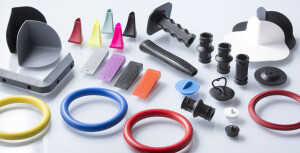
Typical properties of soft PVC are:
Operating temperature range: -40°C to +90°C
Hardness: 35 Shore A to 70 Shore D
Resistance to oils: good
Resistance to acids: good
Resistance to alkalis: reasonable
Resistance to ageing (ozone): very good
Contact
Would you like to know more about the possibilities of soft-PVC?

CEO
René de Beer
Contact Laurence and find out what De Beer Plastics can do for your organisation.
In-house mould making and R&D for co-creation
Ample capacity across more than 100 machines in three factories
A proven track record in challenging projects

Moulding challenges into Reality
