
TPU injection moulding
TPU injection moulding
TPU (thermoplastic polyurethane) is a thermoplastic elastomer based on polyurethane.
TPU: durable in any form
If you need a material that is highly wear-resistant or resistant to oils, TPU is the perfect choice. TPU is the thermoplastic variant of polyurethane, and it is precisely these properties that make it so popular.
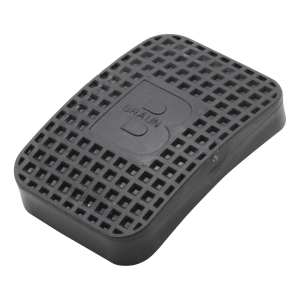
De Beer Plastics has been processing TPU for many years for a wide range of applications, from automotive foot pedals to components for safety footwear. TPU is a challenging material to work with, but once you’ve mastered it, it’s a fantastically versatile material.
TPU in hydraulics and pneumatics
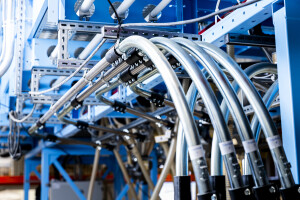
TPU is a widely used material in hydraulic and pneumatic applications. This is due not only to its excellent resistance to mineral oils and greases, but also to its very good mechanical properties.
Above all, TPU’s tensile properties make it particularly well-suited to applications subject to high stress. As it also offers excellent wear resistance, TPU is the standard material for semi-dynamic and dynamic seals.
TPU as an alternative to elastomers
As TPU can be processed cost-effectively using injection moulding technology, it offers clear advantages over traditional thermosetting elastomers. It is cleaner, more sustainable and fully recyclable.
Cross-linked elastomers, such as polyurethane, are often chosen for their excellent mechanical properties, such as strength and wear resistance. However, in this regard, De Beer Plastic can offer some very interesting technical alternatives with its innovative TPU variants.
Typical properties of TPU include:
Operating temperature range: -60°C to +110°C
Hardness: 60 Shore A to 80 Shore D
Resistance to oils: very good
Resistance to acids: reasonable
Resistance to alkalis: moderate
Resistance to ageing (ozone): very good
Contact
Would you like to know more about the possibilities of TPU?

CEO
René de Beer
Contact Laurence and find out what De Beer Plastics can do for your organisation.
In-house mould making and R&D for co-creation
Ample capacity across more than 100 machines in three factories
A proven track record in challenging projects

Moulding challenges into Reality
