
TPC injection moulding
TPC injection moulding
TPC (Thermoplastic Polyester Elastomer) is a block copolymer based on polyester and polyether.
TPC: tirelessly flexible
TPC is characterised by excellent resilience and superior resistance to fatigue and tearing. This is combined with high wear resistance, good chemical resistance (including resistance to oils, greases and fuels) and a wide temperature range from -50°C to as high as +150°C.
TPC is used in dynamic applications where long-term, consistent flexibility is required, such as applications involving continuous bending of the material.
TPC versus TPA
TPC excels in terms of high chemical resistance (to oils, fuels and solvents), good heat resistance and mechanical strength. It is slightly less flexible than TPA, but can withstand prolonged flexing.
TPA offers superior flexibility, smooth surfaces and excellent performance at low temperatures, often with greater resilience and chemical resistance in specific environments.
Thanks to its strength, TPC is resistant to damage. Another advantage is that TPC can be painted, making it ideal for design applications.
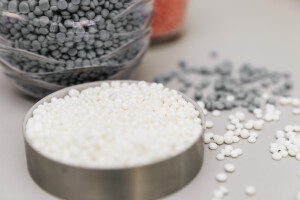
Typical characteristics of TPC are:
Operating temperature range: -55°C to +160°C
Hardness: 80 Shore A to 70 Shore D
Resistance to oils: very good
Resistance to acids: reasonable
Resistance to alkalis: moderate
Resistance to ageing (ozone): good
Contact
Would you like to know more about the possibilities of TPC?

CEO
René de Beer
Contact Laurence and find out what De Beer Plastics can do for your organisation.
In-house mould making and R&D for co-creation
Ample capacity across more than 100 machines in three factories
A proven track record in challenging projects

Moulding challenges into Reality
