
TPA injection moulding
TPA injection moulding
TPA (Thermoplastic Polyether Polyamide) is a special block copolymer based on polyamide.
TPA: flexibility well below freezing
TPA, also known as PEBA, is a high-performance thermoplastic elastomer that combines the strength and chemical resistance of polyamide with the flexibility and elasticity of polyether segments.
This plasticiser-free material is ideally suited to applications requiring high performance under extreme conditions: it retains its flexibility and resilience at low temperatures and offers excellent resistance to wear and chemical attack, including from oils, greases and fuels.
TPA versus TPU
TPA shares many similar properties with TPU, including good chemical resistance and wear resistance. When it comes to resilience and dynamic loading, particularly at lower temperatures but certainly also at higher temperatures, TPA is the best option. In terms of wear resistance, mechanical strength and cost, TPU is the better option.
TPA is a premium material where weight, bounce and cold-weather performance are key factors.
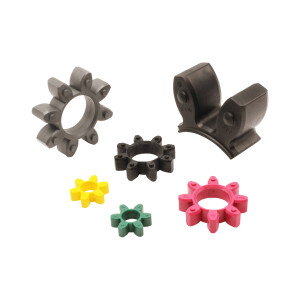
Typical characteristics of TPA include:
Operating temperature range: -40°C to +160°C
Hardness: 60 Shore A to 70 Shore D
Resistance to oils: very good
Resistance to acids: good
Resistance to alkalis: good
Resistance to ageing (ozone): good
Contact
Would you like to know more about the possibilities of TPA?

CEO
René de Beer
Contact Laurence and find out what De Beer Plastics can do for your organisation.
In-house mould making and R&D for co-creation
Ample capacity across more than 100 machines in three factories
A proven track record in challenging projects

Moulding challenges into Reality
